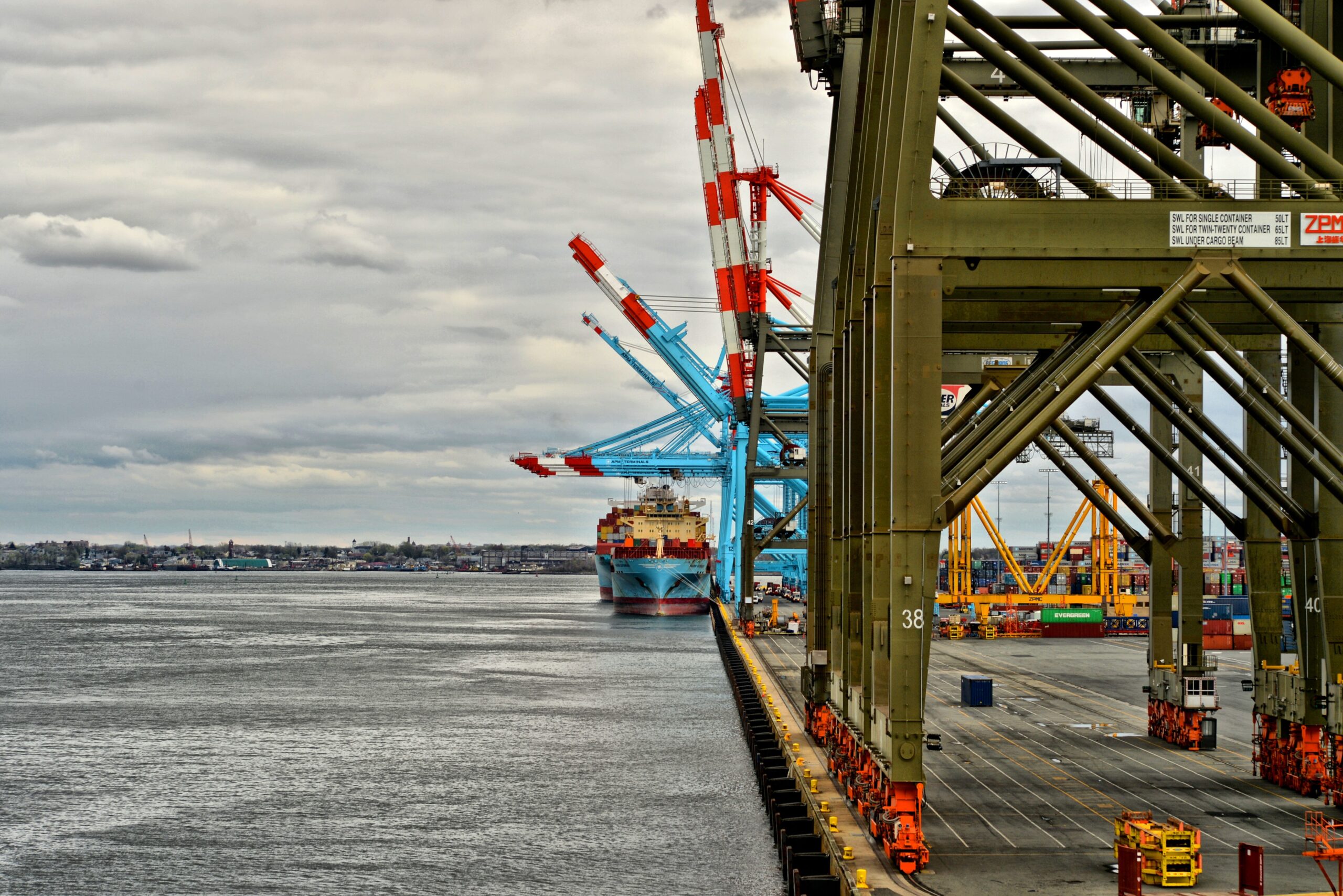
Global Shipping’s Hidden Crisis: Why the World Is Running Out of Seafarers

At the very moment geopolitics, trade volumes and decarbonisation are piling new pressures onto world shipping, the industry is confronting a blunt, uncomfortable reality, it is running short of people willing to go to sea. Industry bodies have warned for several years that the global seafarer labour market is the tightest in nearly two decades, with a serious and growing shortage of officers in particular. Behind those dry statistics lies a perfect storm of security threats, traumatic attacks, demanding voyages, shifting generational expectations and a trust gap between many seafarers and the shore‑based decision‑makers who rely on them. This is the story of a crewing crunch that is no longer a forecast but a daily operational constraint, and a looming strategic risk for world trade.
The Numbers Behind the Shortage
Measured in containers and ton‑miles, global shipping looks like an engineering and logistics puzzle. Measured in people, it is a human system that is rapidly approaching breaking point. Industry workforce reports in recent years have consistently highlighted a structural imbalance, a growing shortage of certified officers alongside a relative surplus of ratings in some segments. Analysts have warned of tens of thousands of officers already missing from the system, with projections that the shortfall could climb towards the equivalent of roughly 90,000 trained seafarers by the if recruitment and training fail to keep pace with demand. The headline figures mask several important dynamics:
- The shortage is concentrated in officers.
- Certain sectors, notably tankers, gas carriers and technically sophisticated tonnage, feel the pinch first, because they require the highest levels of competence and experience.
- The gap is not uniform worldwide, traditional seafarer supply nations remain critical, but there is growing pressure to develop talent pipelines in new regions simply to keep ships crewed. At the same time, major crewing and manning indices describe today’s market as the “tightest on record,” with the gap between officer supply and demand widening year on year. In practice, that means more last‑minute crew changes, upward pressure on wages, and growing leverage for senior officers in negotiating terms, a reversal of the dynamics that prevailed for much of the last two decades.
Security, Risk and the Human Cost
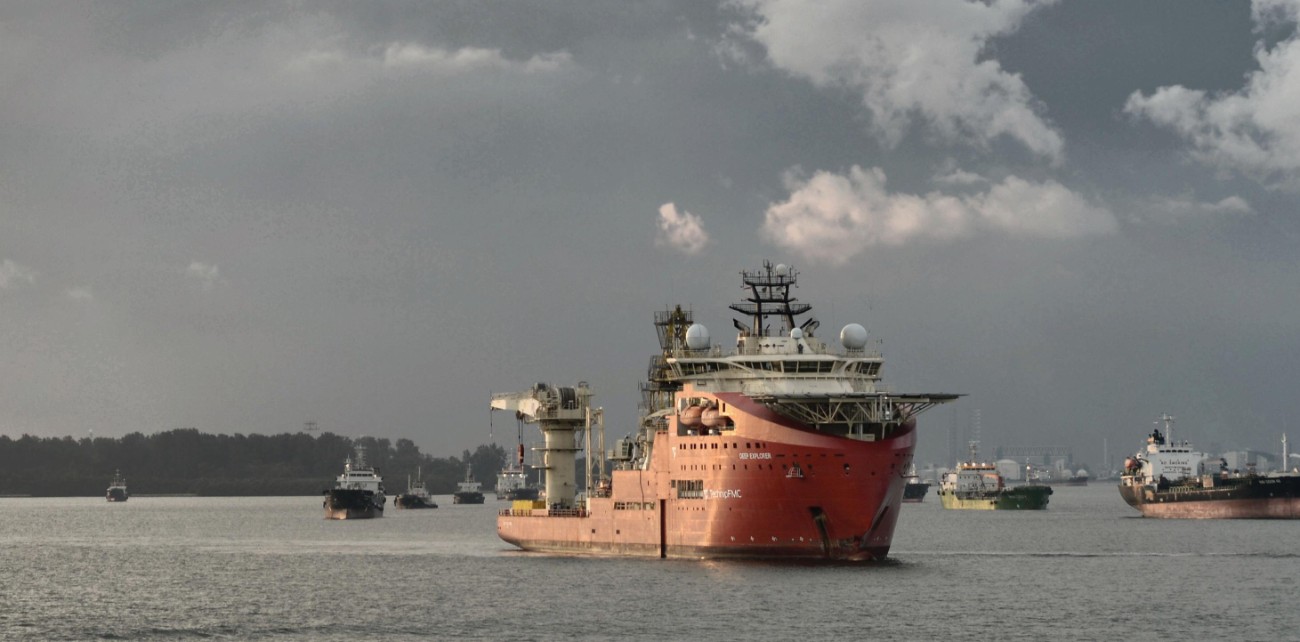
Shortages would be challenging enough if life at sea were merely demanding. It has become, in some corridors, objectively dangerous. The Iranian conflict and attacks/blockade of the strait of Hormuz and resurgence of attacks in the Red Sea and surrounding waters has brought new forms of trauma into the lives of merchant crews. Reports from vessels transiting these routes tell of missile and drone strikes, near misses, and long days under the threat of attack, with crews sleeping in clothes and shoes, ready to run to citadels or muster points at short notice. Some seafarers who have survived such incidents say plainly they will never again sign for voyages through those routes. This sits on top of long‑standing security concerns, piracy in some regions, armed robbery, and instability around key choke points, and it intersects with other stressors that seafarers increasingly weigh when deciding whether to stay in the profession.
Three elements stand out:
- Criminalisation and legal risk After accidents, pollution incidents or security events, seafarers can find themselves detained, questioned or even prosecuted in jurisdictions far from home. Academic and industry analyses have documented how the fear of being scapegoated, particularly where legal processes are opaque or drawn out, discourages both retention and recruitment.
- Ever‑tightening regimes and restrictions Post‑9/11 security regulations, immigration rules, port state controls and company procedures have increased the amount of scrutiny, documentation and constraint seafarers face. Shore leave is curtailed in many ports, movement is regulated, the sense that one is constantly watched and controlled can be suffocating. Put simply, shipping has become riskier from the crew’s point of view, and the mechanisms intended to manage that risk are not always experienced as protective. For an industry already struggling to attract a new generation, that is a serious liability.
A Tougher Job, With Less Appeal
Security is only one piece of the puzzle. Even on routes far from conflict zones, life at sea has become more intense. The shortage of officers itself contributes directly to the problem. When crew complements are lean and voyages are demanding, each person on board carries more workload. Longer hours, reduced rest, and the constant juggling of operational tasks with paperwork and compliance contribute to fatigue, a well‑documented safety risk and a major driver of early exits from the profession. Several trends converge here:
- Contract length and rotation Many seafarers still serve long stints on board, especially in some national or company cultures, with limited flexibility to adjust rotations to personal and family needs. Younger seafarers in particular express strong preferences for shorter tours and more predictable leave, but shortages make it harder for employers to deliver that without disrupting operations.
- Compliance and administrative burden Digitalisation was supposed to reduce paperwork, in practice, it has often added more layers of reporting and record‑keeping. Safety management systems, environmental reporting, training logs, audits, port documentation and company‑specific processes all land on the same small team. Officers in particular report spending increasing amounts of time in front of screens rather than on deck or in the engine room.
- Culture, bullying and harassment Surveys and welfare reports highlight persistent problems with bullying, harassment, discrimination and even violence on board. For women and members of minority groups, these issues can be decisive in choosing to leave the industry, for their peers, they erode the sense of solidarity and professional pride that once compensated for the hardships of the job. Layered onto this are mental health challenges. Isolation, long separations from family, disrupted sleep, high responsibility and the ever‑present possibility of incident or accident take a toll. The pandemic shone a harsh light on this, with seafarers stuck on board for months beyond their contracts, but the underlying issues have not gone away. For older generations, these hardships were often accepted as the price of a seafaring life that offered good pay, adventure and opportunities unavailable ashore. Today, the balance between sacrifice and reward looks less attractive for many.
Gen Z, A Different Compact with the Sea
If shipping’s labour model was built around Baby Boomers and Generation X, it is now being tested by Generation Z, digital natives with very different expectations of work, life and loyalty. Large recent surveys of cadets and young seafarers show that Gen Z is not turning away from the sea entirely. On the contrary, many are drawn to the profession’s international character and its technical challenges. But they are not willing to accept opaque career paths, poor communication and outdated employment practices. Three themes define their mindset:
- Purpose and values Gen Z seafarers want to work for employers whose values they can respect. They pay attention to environmental performance, crew welfare, diversity and inclusion, and how companies behave when things go wrong. Cases of harsh treatment are not just anecdotes, they are signals about whether an employer deserves their commitment.
- Mental health and wellbeing Younger generations are more likely to talk openly about mental health and to expect structured support, from confidential counselling to peer networks and clear reporting channels for abuse. They are less willing to endure toxic or unsafe environments in silence, and more inclined to walk away if those expectations are not met.
- Digital, seamless experiences Gen Z grew up with smartphones, instant messaging and real‑time feedback. On shore, they apply for jobs through slick apps, track orders to their door, and expect prompt responses from service providers. When maritime recruitment processes require clumsy paperwork, slow email exchanges and opaque decision‑making, it feels jarringly out of step. Young seafarers also want to see clearly how their careers can develop, not just in rank, but in skills and options. They ask, Will this experience open doors ashore? Can I move into fleet management, technical roles, data and operations? If the answer is vague, many will choose a different path. This is not “entitlement”, it is a rational response to a world where skilled people have options. For an industry that relies on long‑term commitment, ignoring this shift is not an option.
How the Industry Is Responding
Shipping is far from complacent. Across the sector, there is growing recognition that crewing is no longer a back‑office function, it is a strategic risk and a source of competitive advantage. Shipowners, managers and crewing companies are experimenting with a range of responses. Some are incremental, others more fundamental.
From Crewing Logistics to Talent Strategy
The first visible shift is in mindset. Where crew changes were once treated as routine logistics, they are now managed as risk‑sensitive, high‑priority operations. Companies are:
- Building more sophisticated crew‑planning systems to match skills with vessel needs months in advance, reduce last‑minute substitutions and keep rotations predictable.
- Tracking crew availability and preferences more closely, recognising that a forced deviation from promised leave patterns can damage trust and increase attrition.
- Involving masters and senior officers more actively in discussions around manning levels, safety and welfare, rather than treating crewing as purely a cost line. This “human‑centric crewing” approach is still uneven across the industry, but where it is embraced, it is already changing boardroom conversations.
Wages, Conditions and Welfare
Money is not the only factor in retention, but it matters. In markets where officer shortages are acute, wages and benefits have risen, sometimes sharply, especially for senior ranks and specialised ships. More companies are now:
- Offering improved leave ratios and experimenting with more flexible contracts to give seafarers greater control over their time.
- Investing in better accommodation, connectivity and onboard facilities, recognising that quality of life matters to Gen Z and Millennials in particular.
- Expanding welfare programmes, from helplines and counselling to mental‑health training for officers and peer support schemes. Alongside this, there is a push, often led by welfare organisations and NGOs, to tackle bullying, harassment and discrimination head‑on. Clear policies, confidential reporting channels, independent investigations and real consequences for perpetrators are slowly becoming more common. These are not just “soft” initiatives, they are essential signals that the industry takes its duty of care seriously.
Training, Education and New Pipelines
Industry bodies have been explicit, to avoid a deepening officer shortage, training and recruitment need to scale up and modernise. This is happening in several ways:
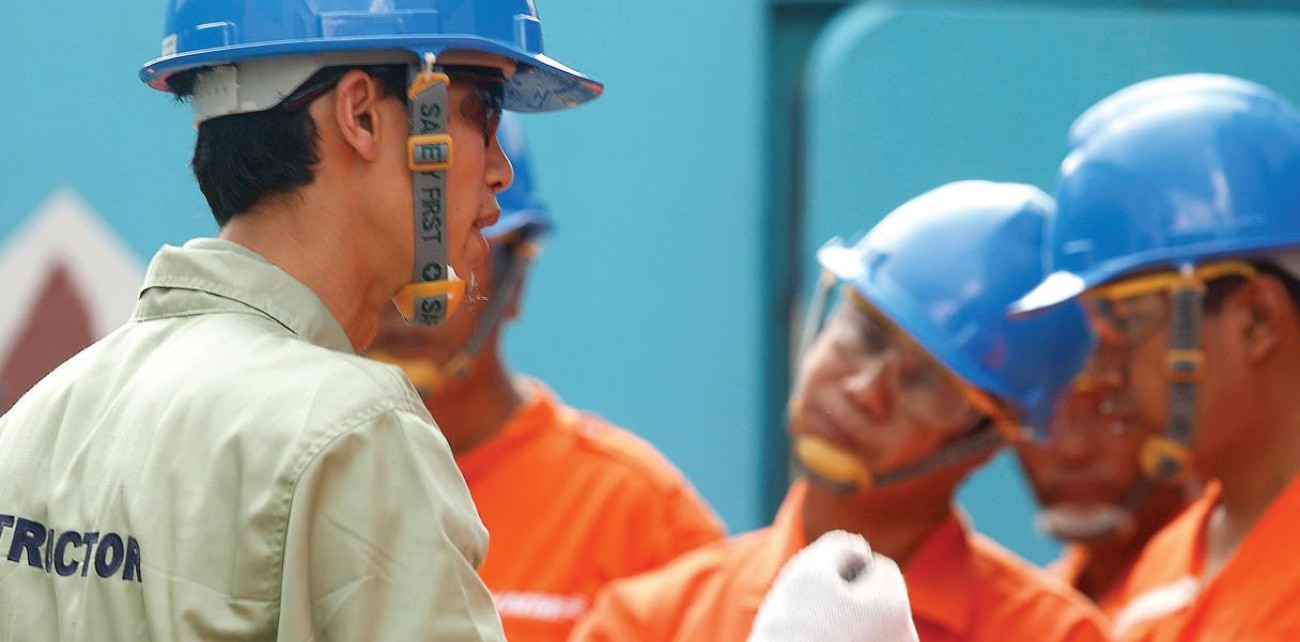
- Increased intake at maritime academies, including in emerging supply countries, supported by scholarships and sponsorships from shipowners and charterers.
- Curriculum updates to incorporate new fuels, digital systems, data handling and leadership skills, so that officers are prepared for decarbonised and increasingly automated ships.
- Partnership programmes between companies, training providers and welfare organisations to support cadets from their first voyage, reducing early drop‑out rates. At the same time, there is a conscious effort in some quarters to make the profession more accessible to women and under‑represented groups, not only for reasons of fairness but because the labour pool is simply too small if half the world is effectively excluded.
Technology, Decarbonisation and the Skills Squeeze
Technology is both a challenge and an opportunity in this story. On one side, decarbonisation is transforming ships faster than training systems can fully adapt. New fuels, complex energy‑efficiency systems and a flood of digital tools require higher and broader skill sets from officers and engineers. Where once experience alone might have been enough, the next generation of officers needs a blend of hands‑on competence, digital literacy and systems thinking. On the other side, technology can make maritime careers more attractive and manageable. Digital platforms are streamlining recruitment, documentation and communication, allowing seafarers to:
- Apply for positions and track their status in real time.
- Store and share certificates securely without repeated manual uploads.
- Communicate more seamlessly with crewing departments, families and welfare providers. Data analytics is also beginning to play a role in retention, identifying patterns of early resignation, predicting where shortages will bite hardest, and helping companies design more attractive career paths. As for automation and autonomy, the picture is nuanced. Despite headlines about crew‑less ships, most experts foresee an era of “augmented” shipping, where highly skilled crews work with increasingly intelligent systems rather than being replaced by them. In that world, the demand for well‑trained officers may fall in absolute numbers on some trades, but their value, and the consequences of not having enough of them, will only increase.
What Experts Say Needs to Change
Global industry bodies have been blunt in their warnings. They argue that without significant additional investment in training and a step change in how seafarers are treated and supported, shortages will worsen and safety will be compromised. Three priorities emerge from expert commentary across organisations, academia and welfare groups.
1. Rebuild Trust
Seafarers need to believe that when things go wrong, the system will protect rather than abandon them. That means:
- Stronger international frameworks to prevent and swiftly resolve abandonment cases.
- Clearer rules and better coordination to reduce arbitrary or excessive criminalisation of seafarers after incidents.
- Transparent, fair investigations that focus on systemic causes rather than individual blame. Trust is easy to lose and hard to regain. But without it, few young people will see a lifetime at sea as a viable choice.
2. Make Maritime Careers Competitive
Shipping does not only compete with other shipping companies, it competes with every other industry seeking smart, ambitious young people. To win that competition, maritime careers must offer:
- Competitive compensation and benefits that reflect the risks and responsibilities involved.
- Clear, modern career paths that connect sea time to attractive shore‑based roles in operations, technology, safety, sustainability and management.
- Flexibility and respect for work‑life balance, including more predictable rotations and genuine dialogue about personal needs. Crucially, this needs to be communicated effectively, through modern recruitment campaigns, authentic storytelling and the voices of seafarers themselves, not only corporate slogans.
3. Share the Risk in Hot Zones
As geopolitical tensions flare, it is unrealistic to expect crews to shoulder the risk alone. Risk‑sharing mechanisms could include:
- Enhanced war‑risk pay and benefits for voyages through high‑risk areas, clearly explained and consistently applied.
- Robust security measures, from convoy systems and naval escorts to improved intelligence sharing and onboard protection where appropriate.
- Comprehensive psychological support for crews transiting conflict‑adjacent regions, before, during and after the voyage. When seafarers see that their lives and wellbeing are treated as paramount, they are more likely to accept that some level of risk is unavoidable.
The Human Backbone of Global Trade
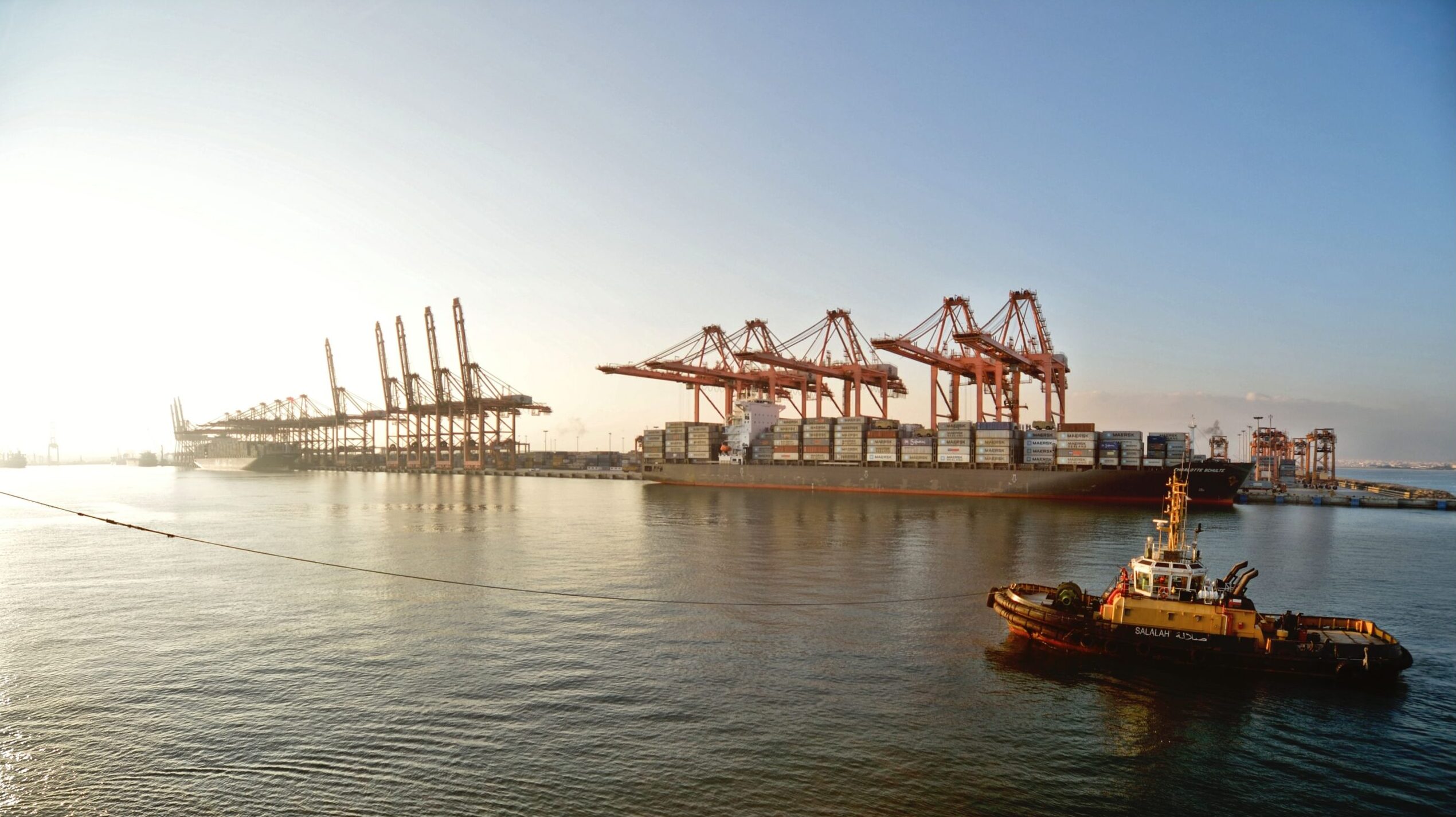
Every time a container drops at a quayside, a crude tanker berths at a refinery, or a bulker discharges grain at a developing‑world port, it is easy to see only the steel and the cargo. But behind every safe arrival are people, masters making judgment calls in poor visibility, engineers nursing ageing machinery across oceans, ratings chipping rust and standing watch at 03:00. The emerging seafarer shortage is not just an HR problem or a cost line. It is a warning signal that the social contract between global trade and the people who make it possible is fraying. If the industry continues to treat seafarers as a commodity to be squeezed, rotated and replaced, it will face recurring crises, not only of recruitment and retention, but of safety, reliability and public legitimacy. If, instead, it sees them as a strategic asset, worthy of investment, respect and partnership, then the current crunch can become a catalyst for long‑overdue change. The world has grown used to asking ships to do ever more, ever faster, for ever less. It is time we asked instead what we owe to the people on board.