Navigating Uncertainty: How Recent Middle East Developments Are Influencing the Maritime Industry
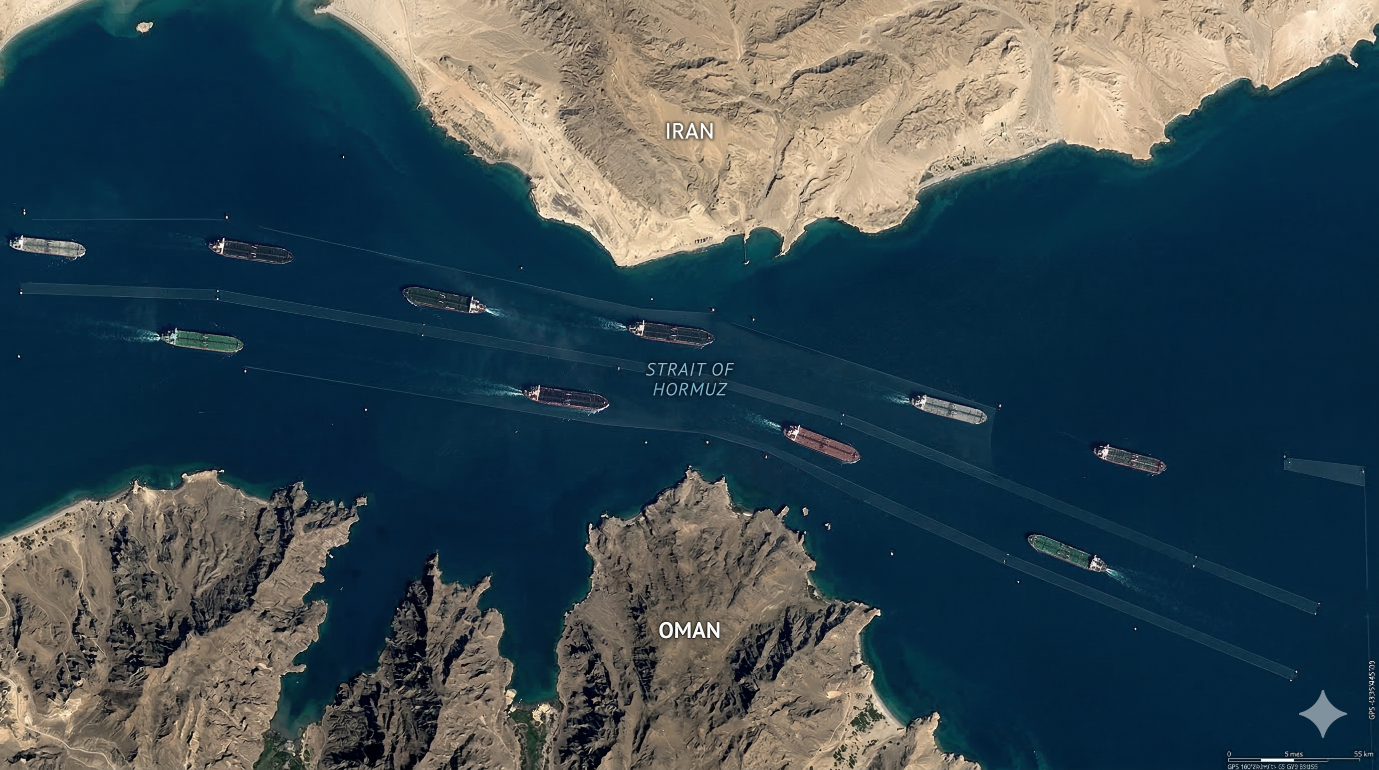
The maritime industry has always operated in an environment shaped by global geopolitics. From changing trade dynamics to evolving regulatory frameworks, shipping companies continuously adapt to external developments that influence global commerce. Today, renewed geopolitical tensions in the Middle East are once again drawing attention to the importance of stability in the region’s maritime corridors.
In recent weeks, the escalation of hostilities involving Iran, Israel, and the United States has introduced a new layer of uncertainty for global shipping. Because the Middle East sits at the centre of several of the world’s most strategic maritime routes, developments in the region are closely watched by shipowners, operators, and maritime service providers.
While the maritime industry has demonstrated remarkable resilience through past disruptions, the latest developments highlight the importance of preparedness, operational flexibility, and strong risk management across the sector.
The Strategic Importance of the Gulf Region
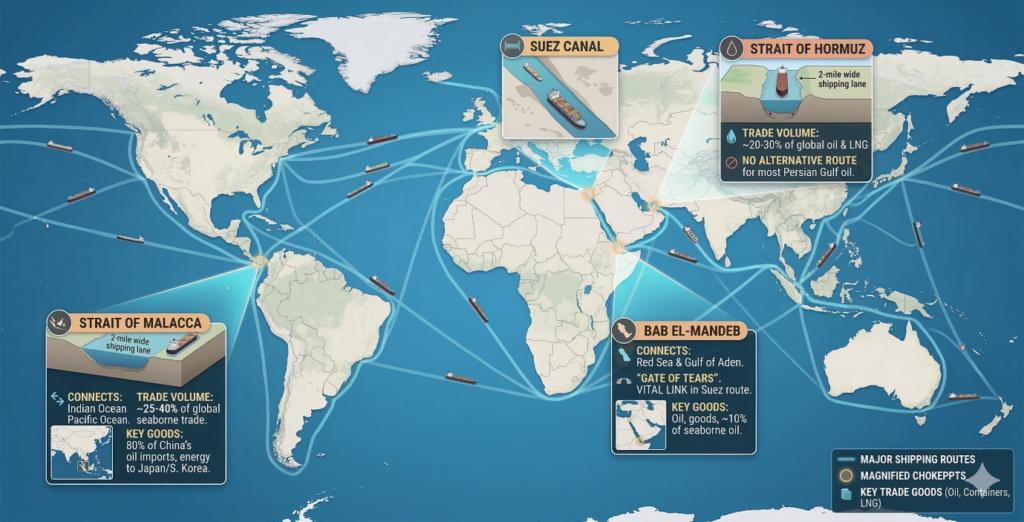
Few regions are as vital to global maritime trade as the Middle East. Several critical shipping chokepoints are located here, most notably the Strait of Hormuz, one of the most important maritime corridors for global energy transport.
The strait, located between Iran and Oman, carries roughly 20 million barrels of oil per day, representing approximately one-fifth of global seaborne oil shipments. As a result, any changes to navigation conditions in the area are closely monitored by the global shipping and energy industries.
Since the escalation of tensions in late February 2026, maritime authorities and shipping companies have been closely assessing the operational environment in the Gulf. Heightened security awareness and precautionary measures have become part of routine voyage planning for vessels operating in or near the region.
Increased Attention to Maritime Security
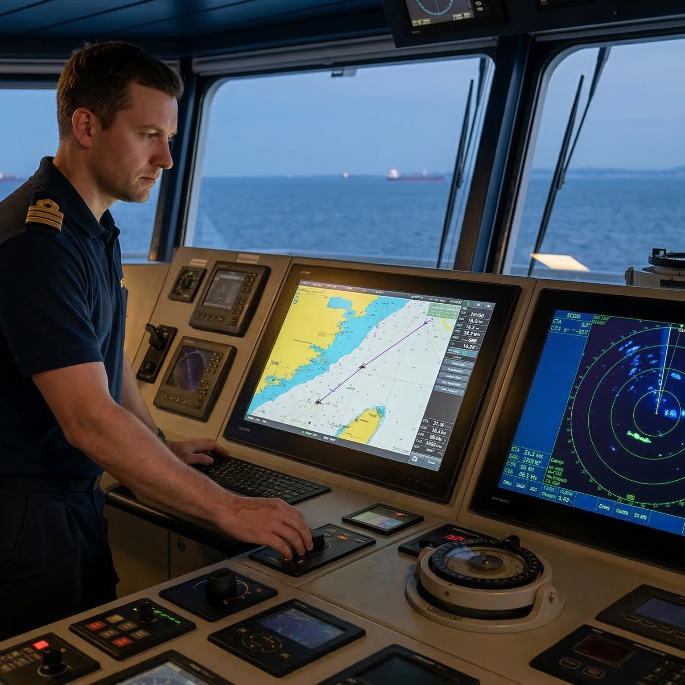
Recent events have prompted shipping companies and maritime authorities to reinforce security protocols across key shipping lanes in the Gulf.
Reports from maritime intelligence platforms indicate that several commercial vessels have encountered security-related incidents in recent weeks, including drone and projectile activity affecting ships transiting the area. These developments have naturally led to increased vigilance across the maritime sector.
Shipping companies are responding by strengthening voyage risk assessments, maintaining close communication with naval authorities, and monitoring maritime security advisories issued by international organisations.
In many cases, vessels are proceeding with additional precautionary measures, ensuring that crew safety and vessel security remain the highest priorities.
Adjustments in Shipping Patterns
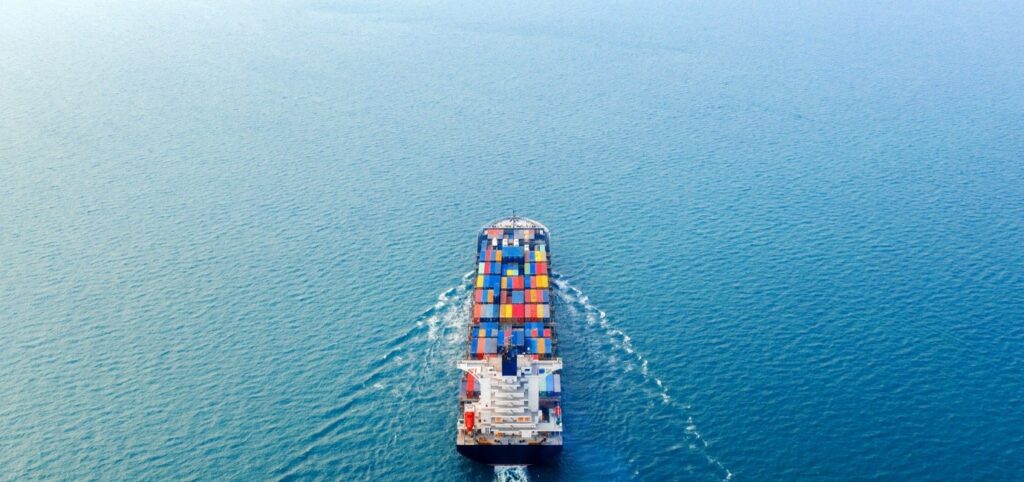
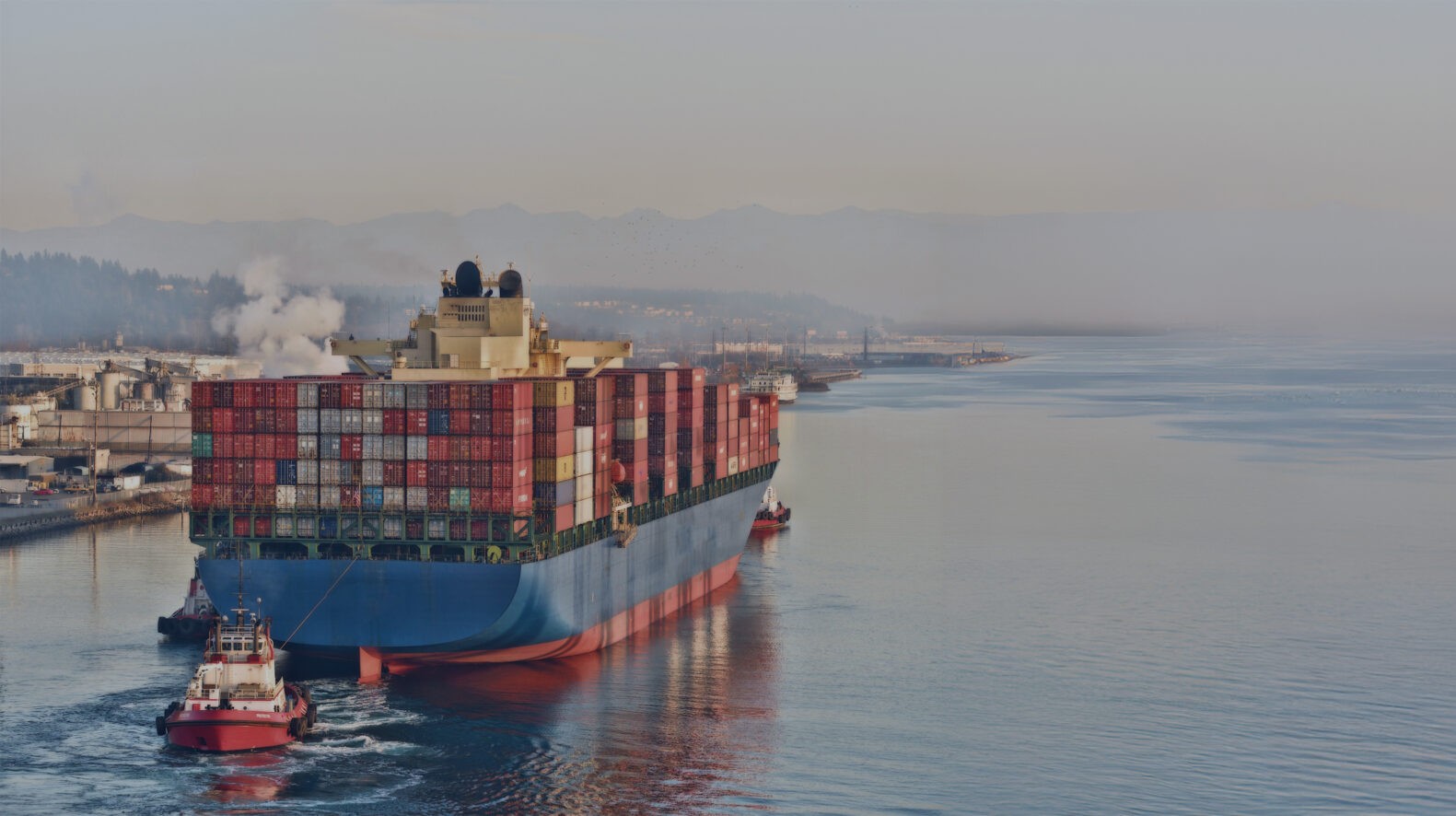
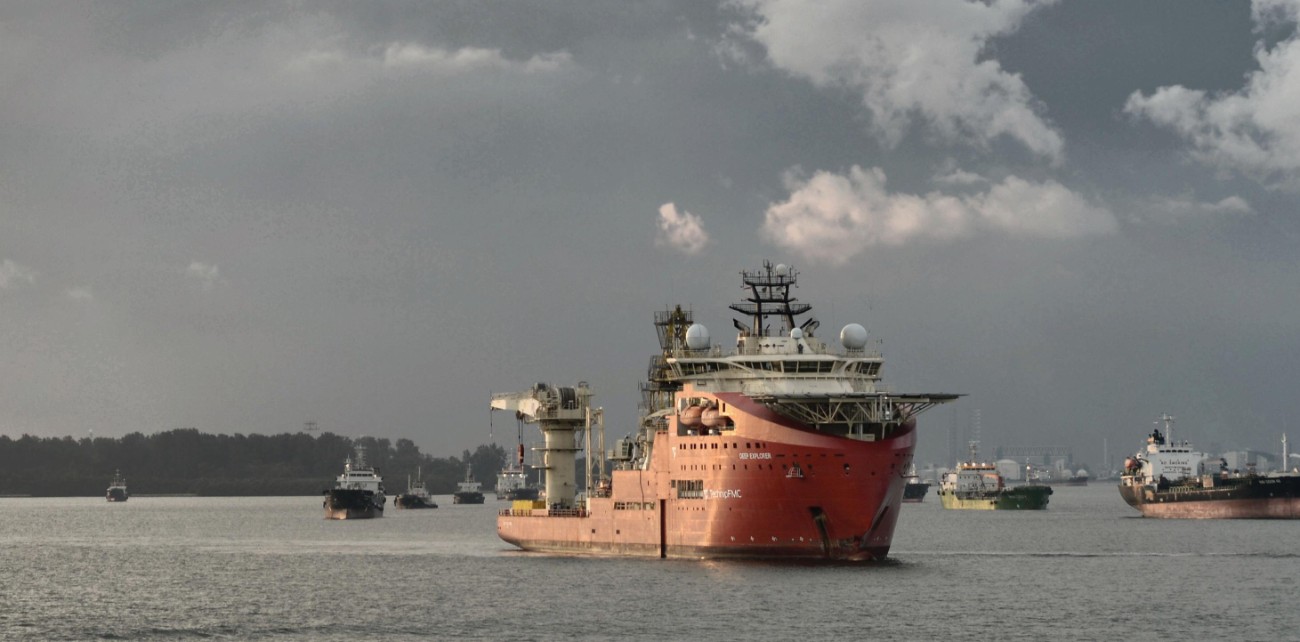
As part of these precautionary measures, some shipping operators have temporarily adjusted routes or voyage schedules while closely monitoring developments in the region.
Maritime intelligence data shows that a number of vessels have opted to delay entry into the Gulf or wait in nearby ports until conditions are assessed as stable. Such operational adjustments are common during periods of geopolitical tension and reflect the industry’s cautious approach to risk management.
Similarly, some shipping companies are reviewing transit plans through key corridors such as the Suez Canal and the Red Sea while maintaining flexibility in route planning.
These adjustments demonstrate the industry’s ability to respond dynamically to evolving circumstances while maintaining the continuity of global trade.
Market Reactions and Cost Considerations

Developments in the region have also been reflected in global energy markets. Oil prices have experienced upward pressure in recent weeks, briefly rising above $100 per barrel, as markets respond to potential supply uncertainties.
For the maritime sector, changes in energy prices can influence operating costs, particularly in relation to bunker fuel. At the same time, insurance providers have begun reassessing war-risk coverage for vessels operating in sensitive areas, which may lead to adjustments in insurance premiums.
Shipping companies are closely monitoring these developments while balancing operational decisions with cost considerations.
In some cases, temporary surcharges related to security and insurance adjustments have been introduced, reflecting the evolving risk environment.
Broader Implications for Global Supply Chains

Because maritime transport forms the backbone of global trade, developments in key shipping regions inevitably influence supply chains worldwide.
When navigation conditions change in strategic waterways, shipping schedules, transit times, and cargo flows can be affected. This may lead to longer planning horizons for importers and exporters and increased coordination across logistics networks.
Some sectors, particularly those reliant on timely delivery of specialised goods such as pharmaceuticals or energy products, are monitoring the situation closely.
However, global supply chains have proven adaptable in recent years, and logistics providers are increasingly equipped with tools and data that allow them to respond quickly to changes in trade flows.
Strengthening International Maritime Cooperation
The current situation has also highlighted the importance of international cooperation in safeguarding maritime trade routes.
Several countries are evaluating expanded naval protection missions aimed at ensuring safe passage for commercial shipping through strategic waterways. Existing maritime security initiatives in the region are also being reinforced as governments coordinate efforts to maintain stability along key shipping corridors.
These initiatives reflect the broader recognition that maritime security is a shared responsibility and that the protection of global trade routes benefits the international community as a whole.
An Evolving Maritime Risk Landscape

eyond the immediate developments, the recent situation illustrates how the maritime risk landscape continues to evolve.
Modern conflicts increasingly involve advanced technologies such as drones and missile systems, which can affect maritime operations even without direct naval confrontation. As a result, shipping companies are investing more heavily in real-time monitoring tools, maritime intelligence platforms, and enhanced voyage planning capabilities.
The ability to analyse geopolitical developments and respond proactively is becoming an increasingly important component of maritime operations.
For shipowners and managers alike, maintaining situational awareness and operational agility is essential in navigating complex global conditions.
Looking Ahead

While the duration and trajectory of the current situation remain uncertain, the maritime industry has consistently demonstrated its ability to adapt to challenging circumstances.
Global trade continues to depend heavily on shipping, and the sector has repeatedly shown resilience in the face of geopolitical, economic, and logistical disruptions.
The recent developments in the Middle East serve as a reminder of the importance of vigilance, preparedness, and collaboration across the maritime community.
By maintaining strong operational standards and proactive risk management, the industry continues to ensure that global trade flows remain reliable even during periods of uncertainty.
Preparing for Uncertainty:
Uniteam Marine’s Commitment to Operational Readiness

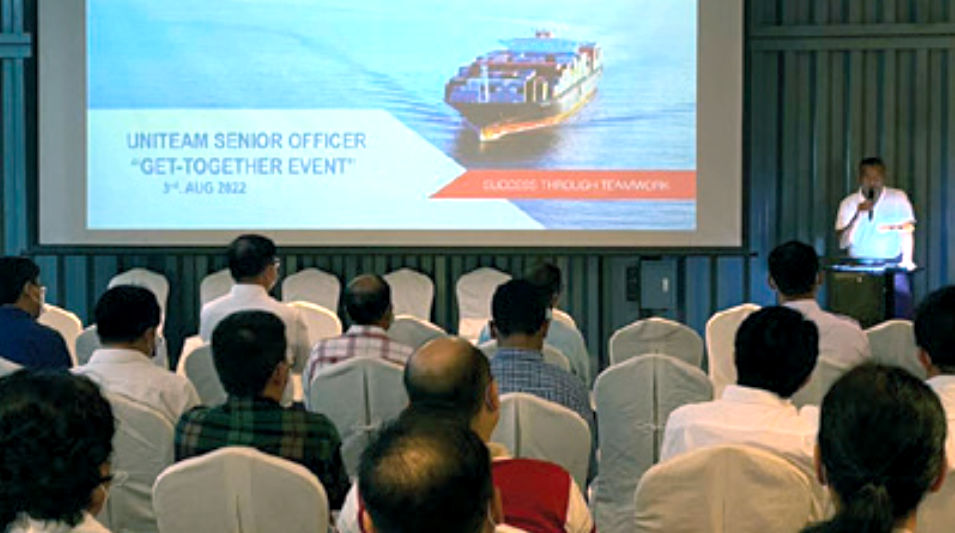
At Uniteam Marine, developments such as these reinforce the importance of strong operational planning and proactive risk management. “Operational readiness is not a one-time exercise, but a continuous discipline that ensures our vessels, our crews, and our shore-based teams are always prepared to respond to changing circumstances,” says Omiros Angelidis, Deputy Managing Director, Uniteam Marine. In a dynamic global environment, the focus remains on ensuring the safety of seafarers, the continuity of vessel operations, and the reliable support of our clients worldwide.
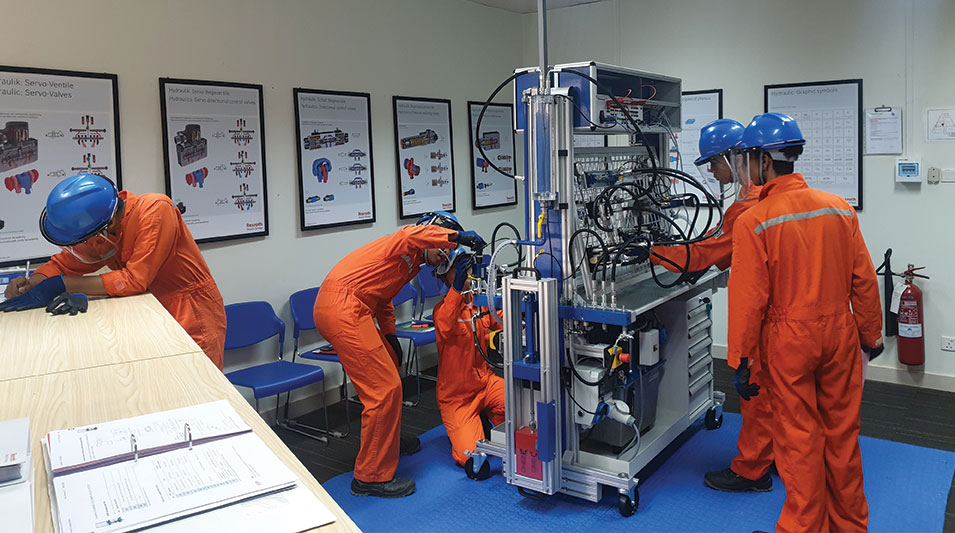
As the situation evolves, several key areas of focus remain central to our approach:
- Continuous monitoring of geopolitical developments and maritime security intelligence
- Enhanced voyage risk assessments for vessels operating in sensitive regions
- Close coordination with shipowners regarding route planning and operational decisions
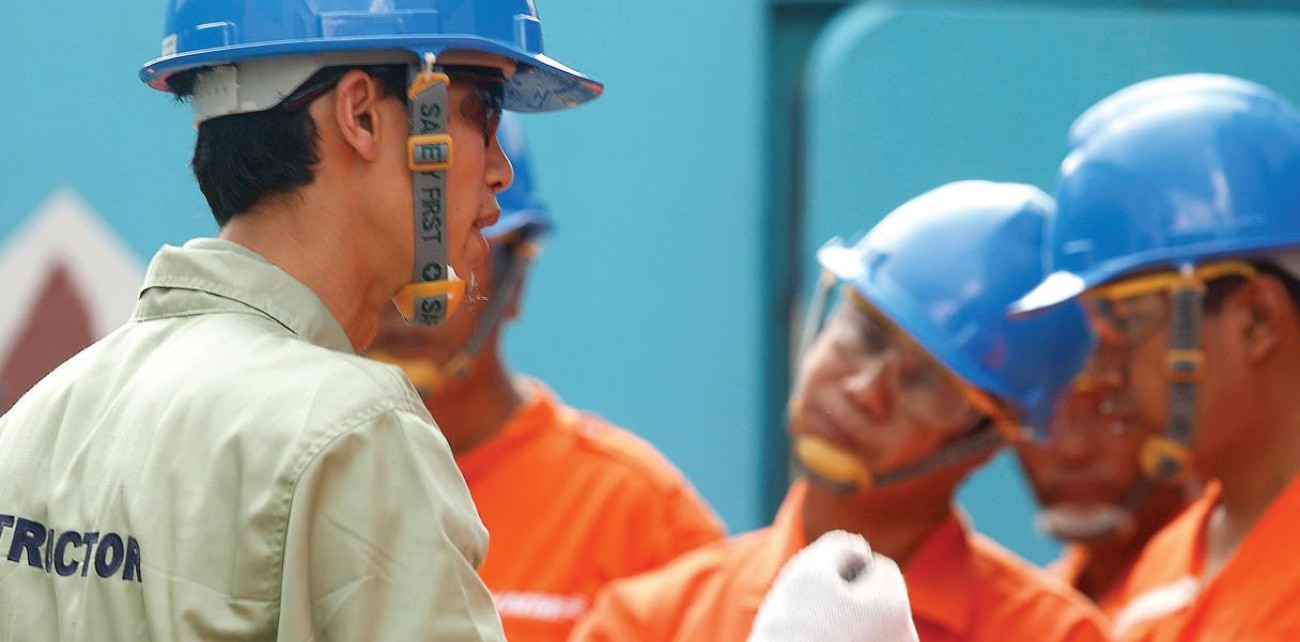
- Maintaining a strong focus on crew safety and wellbeing
- Leveraging maritime intelligence tools and real-time monitoring systems
- Maintaining operational flexibility to respond to changing conditions
- Ensuring transparent communication with clients and stakeholders
By combining operational experience with proactive planning, Uniteam Marine remains committed to supporting its partners and clients while navigating an evolving global maritime landscape.
In a dynamic global environment, the focus remains on ensuring the safety of seafarers, the continuity of vessel operations, and the reliable support of our clients worldwide.
As the situation evolves, several key areas of focus remain central to our approach:
- Continuous monitoring of geopolitical developments and maritime security intelligence
- Enhanced voyage risk assessments for vessels operating in sensitive regions
- Close coordination with shipowners regarding route planning and operational decisions
- Maintaining a strong focus on crew safety and wellbeing
- Leveraging maritime intelligence tools and real-time monitoring systems
- Maintaining operational flexibility to respond to changing conditions
- Ensuring transparent communication with clients and stakeholders
By combining operational experience with proactive planning, Uniteam Marine remains committed to supporting its partners and clients while navigating an evolving global maritime landscape.